
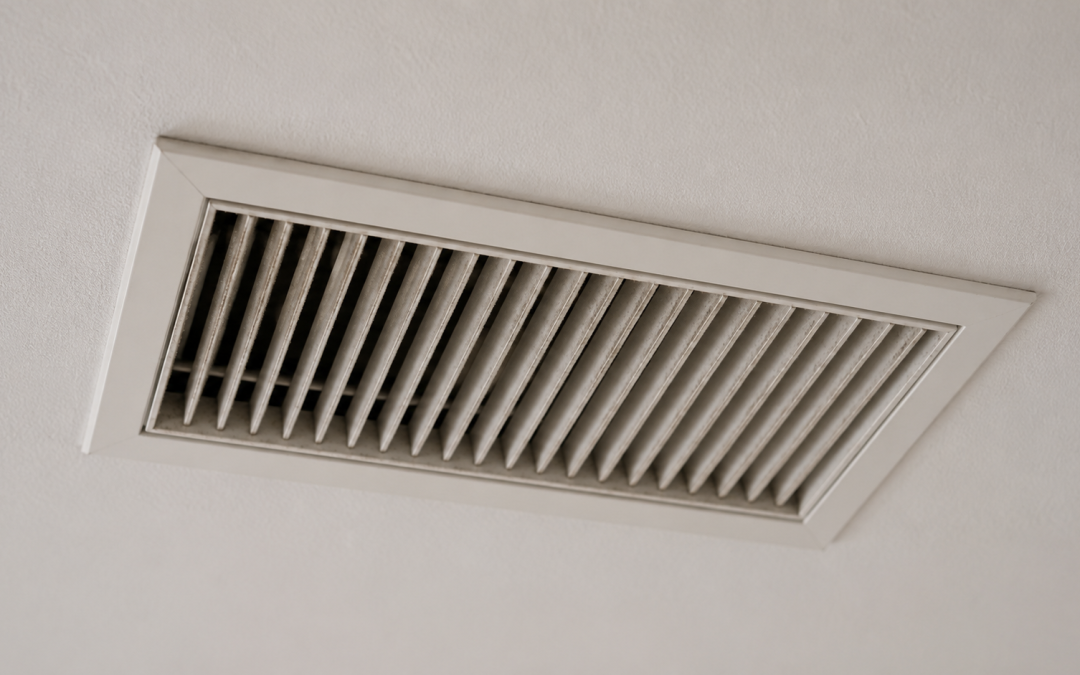
Most homes in Texas need their air ducts professionally cleaned every 3 to 5 years. But that range assumes a “normal” house, and in San Antonio there’s really no such thing. Between mountain cedar, oak pollen that coats every car in the city, year-round mold, and dust that never fully settles, a lot of local homes are better off on a 2 to 3 year cycle. If anyone in the house has allergies or asthma, you have pets, or someone smokes inside, that number drops again.
Here’s the honest version of how to figure out your schedule, and why the standard advice doesn’t quite fit Texas.
The short answer, and where it comes from
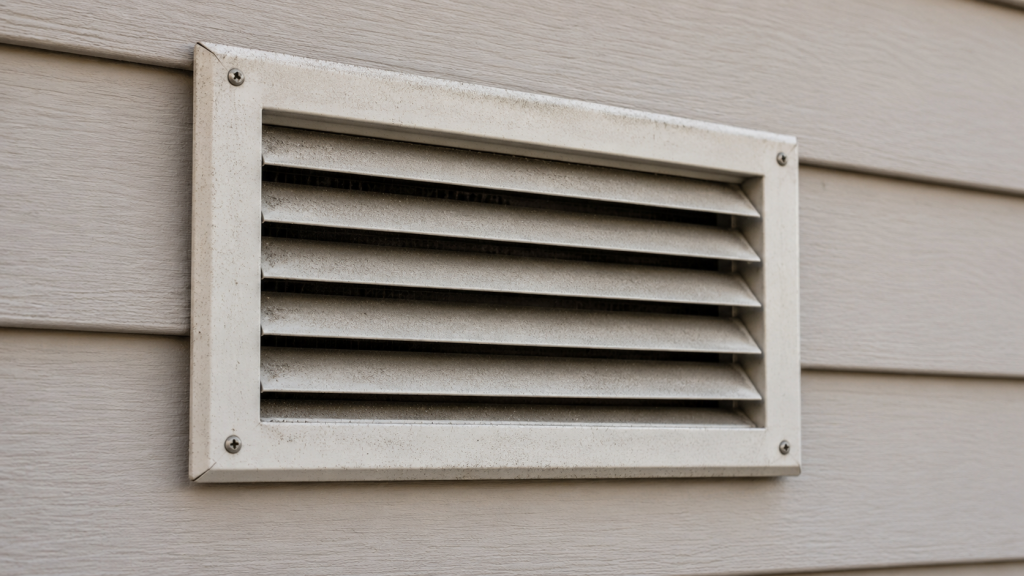
The 3-to-5-year number isn’t something cleaning companies made up to sell jobs. It comes from the National Air Duct Cleaners Association (NADCA), the body that sets the technical standards for the industry. For an average home with no pets, no smokers, and nobody fighting allergies, that interval is enough to keep dust and debris from building up to the point where it chokes airflow or recirculates through the house.
NADCA’s actual position is a little more nuanced than the round number suggests. Rather than telling everyone to clean on a fixed timer, they recommend having your system inspected roughly once a year and cleaned as needed, because the right frequency depends entirely on your household. With certain cleaning methods and a clean, well-sealed system, you can stretch that interval out to 6 to 8 years.
It’s also worth knowing that the EPA takes a more conservative line: they don’t push routine cleaning on a schedule and instead say to clean when there’s a real reason, like visible mold, pest infestation, or heavy debris. The practical middle ground that most honest contractors land on, including us, is this: don’t clean on a paranoid annual loop, but don’t wait until your vents are visibly pumping out dust either. Inspect, then act on what you find.
Why Texas (and San Antonio specifically) changes the math
The national guidance is built around an “average” climate. South Central Texas is not average. A few things stack up here that push most homes toward the shorter end of the range.
Cedar fever season fills your ducts with pollen
If you’ve spent a winter here, you know the drill. From December through February, mountain cedar (which is actually Ashe juniper, not cedar at all) releases pollen so thick it looks like smoke drifting off the Hill Country. January is usually the worst of it. San Antonio sits right in the heart of the affected zone, along the I-35 corridor.
That pollen doesn’t politely stay outside. It rides in on shoes, clothes, and every time a door opens, then gets pulled into your return vents and settled into the duct walls. Every time your system kicks on, it redistributes a little more of it. For the millions of people whose “winter cold” every January is really cedar fever, a duct system loaded with last season’s pollen makes the indoor air work against them.
Oak picks up the second cedar lets go
There’s barely a gap. As cedar winds down in late February, oak pollen ramps straight up through March and April. Live oak counts in San Antonio have been recorded among the highest anywhere in the country, which is why everything outdoors wears a yellow-green film for a few weeks every spring. Same story as cedar: it gets in, it settles, your HVAC keeps it in circulation.
Humidity and mold are a year-round problem
San Antonio’s mild, damp winters are exactly the conditions mold likes. Mold spores can take hold inside ductwork when there’s moisture present, and once they’re in there, the system spreads them through the whole house. This is the one situation where the “wait and see” approach goes out the window: if there’s mold in the ducts, it needs to come out regardless of when you last had a cleaning. (More on that on our air duct mold removal page.)
The dust never really quits
Even outside the named pollen seasons, this region keeps grass pollen lingering through summer, ragweed in fall, and dust and mold in the air essentially every day. There’s no true off-season here. That steady background load is the quiet reason a lot of San Antonio homes hit “needs cleaning” a year or two sooner than the national average would predict.
What actually moves your number up
Forget the calendar for a second. The honest way to set your frequency is to look at your own house. Each of these pulls your interval shorter:
- Allergies or asthma in the household. This is the big one in Texas. If someone’s sinuses are already under attack from cedar and oak, you don’t want the ducts adding to the load. Every 2 years is a reasonable target.
- Pets that shed. Hair and dander build up fast. Heavy shedders can justify cleaning every 2 to 3 years on their own.
- Smokers indoors. Smoke residue coats the inside of the system and keeps recirculating.
- Recent renovation or construction. Drywall dust and sawdust are brutal on ductwork. If you’ve remodeled, get it cleaned after, no matter where you are in your cycle.
- Water damage or any sign of mold. Clean immediately. Don’t wait.
- Newborns, young kids, or elderly residents. More sensitive lungs, lower tolerance for poor air. Worth being proactive.
If none of these apply to you, the standard 3-to-5-year window is genuinely fine. If two or more apply, you’re probably a every-2-to-3-year house.
Signs you’re overdue right now
Schedule aside, your system will usually tell you when it’s time:
- Visible dust puffing out of the vents when the system starts up
- A musty or stale smell when the AC or heat runs
- Dust resettling on furniture almost immediately after you clean
- Allergy or asthma symptoms that get worse indoors, not better
- Uneven airflow between rooms, or the system seeming to work harder than it should
That last one has a cost attached. The Department of Energy estimates that a meaningful chunk of the energy used to heat and cool a home gets wasted, and a clogged, restricted duct system makes your unit run longer to hit the same temperature. In San Antonio summers, that shows up on your bill.
What “clean” should actually mean (and the $99 trap)
A quick word, because it matters for how often you’ll really need this done. A proper cleaning uses professional equipment, like a high-powered RotoBrush system that physically agitates and vacuums the full length of the ductwork, not a shop vac on the vent covers. When it’s done right, the interval between cleanings is genuinely 3 to 5 years.
Be careful with the “$99 whole-home” ads. Those almost always turn into a much bigger number once the tech is standing in your house, and the work is often surface-level, which means you’re back to needing a real cleaning far sooner than you should. For context, NADCA puts the national cost of properly cleaning a full system in an average home somewhere between $450 and $1,000. We keep our air duct cleaning pricing flat and upfront for exactly that reason: no inspection-day surprises.
Don’t forget the dryer vent
While we’re on schedules: your dryer vent is on a much tighter clock than your air ducts. Lint that slips past the trap builds up inside the vent hose fast, especially anywhere the run has to turn a corner, and that buildup is a genuine fire hazard. Most homes should have the dryer vent cleaned once a year. It’s a separate job from duct cleaning, and you can read more on our dryer vent cleaning page.
Bottom line for San Antonio homeowners
Start with 3 to 5 years as your baseline. Then be honest about your house. Allergies, pets, smoking, a recent remodel, or our brutal cedar-and-oak one-two punch all push you toward the 2-to-3-year end. Mold or water damage means clean now. And if it’s been longer than five years and you can’t remember the last time, it’s time regardless.
Not sure where your home lands? That’s what an inspection is for. We’ve served San Antonio for over a decade, we’re NADCA certified, and we’ll tell you straight whether your ducts actually need cleaning or whether you can wait. Schedule a service or get a quote here, or call us at 210-988-5026.
Frequently Asked Questions
How often should air ducts be cleaned in Texas? Every 3 to 5 years for an average home, but many San Antonio homes do better on a 2-to-3-year cycle because of cedar and oak pollen, year-round mold, and persistent dust. Allergies, pets, smoking, or recent renovation all shorten that interval.
Does cedar fever season affect my air ducts? Yes. Mountain cedar pollen from December through February gets pulled into your return vents and settles in the ductwork, then recirculates every time your HVAC runs. For allergy sufferers, that makes a loaded duct system part of the problem.
How often should a dryer vent be cleaned? About once a year for most homes. Lint builds up quickly inside the vent hose and is a known cause of house fires, so the dryer vent is on a tighter schedule than your air ducts.
Is the $99 air duct cleaning a good deal? Usually not. These offers commonly turn into a much larger bill on the day of service, and the work is often too superficial to last. A proper cleaning of a full system typically runs $450 to $1,000 nationally.
How do I know if my air ducts need cleaning right now? Watch for visible dust from the vents, a musty smell when the system runs, dust resettling on furniture quickly, worsening indoor allergy symptoms, or uneven airflow. Any of these means it’s worth an inspection.