
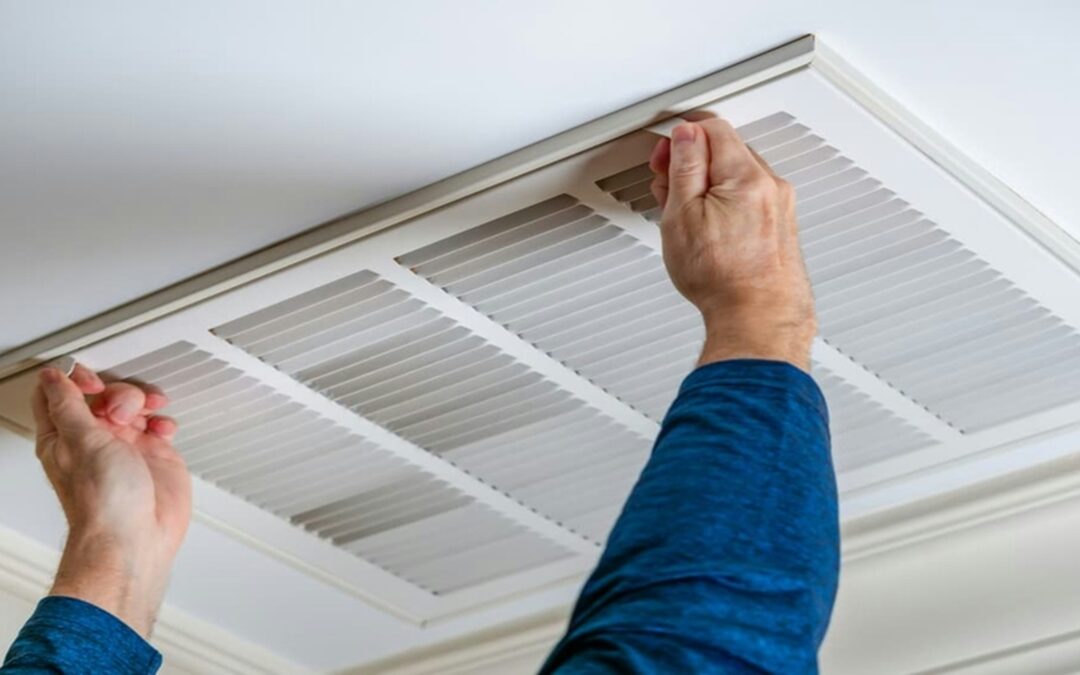
Completing a home renovation or moving into a newly constructed house is exciting, but construction can leave behind more than a beautiful new space. Drywall dust, sawdust, insulation particles, and other debris may accumulate around your home’s heating, ventilation, and air conditioning (HVAC) system. If these materials enter the ductwork, they may circulate when the system operates.
Air duct cleaning after a remodel or new construction can help remove accumulated dust and debris from accessible HVAC components when contamination is present. Whether you have remodeled a kitchen, added a bedroom, replaced flooring, or built a brand-new home, understanding when duct cleaning is appropriate can help you make an informed decision about your indoor environment.
Why Is Air Duct Cleaning Important After Construction?
Construction and remodeling projects often produce substantial airborne dust. Even when contractors use protective barriers and clean the work area, fine particles can travel into nearby rooms and HVAC return vents.
Here are some common sources of post-construction debris:
- Drywall dust: Cutting, sanding, and finishing drywall can release fine particles.
- Sawdust: Carpentry, cabinet installation, and wood cutting can produce dust that settles on surfaces and may enter return vents.
- Insulation particles: Certain insulation materials can release particles during installation or renovation.
- Flooring and tile dust: Cutting, grinding, and installing building materials can generate airborne debris.
- General construction residue: Dust from plaster, cement-based materials, and other building products can settle throughout a property.
If construction dust enters the ductwork, the HVAC system may redistribute some of it when heating or cooling begins. Professional inspection can help determine whether the ducts or other HVAC components require cleaning.
5 Signs Your Air Ducts May Need Cleaning After a Remodel
Not every renovation requires professional duct cleaning. However, several signs can indicate that an inspection is worthwhile.
1. Visible Dust Around Supply Vents
If dust repeatedly collects around supply registers after the property has been cleaned, inspect the surrounding surfaces and accessible vent openings. Visible dust alone does not prove that the entire duct system is contaminated, but it can justify a closer look.
2. Construction Dust Inside Accessible Ductwork
A flashlight inspection of an accessible duct section may reveal settled debris or construction residue. Avoid dismantling ductwork or reaching into equipment yourself. A qualified technician can assess the extent of contamination and recommend appropriate action.
3. Dust Returns Soon After Cleaning
If furniture and surfaces become dusty again shortly after you clean, construction residue may be one possible cause. However, outdoor particles, household activities, open windows, and filter problems can also contribute.
4. HVAC Filters Become Dirty Quickly
A filter that loads up unusually quickly after construction may indicate elevated dust levels. Check that the filter is correctly installed and suitable for your system. Replace it according to the manufacturer’s instructions and investigate persistent problems rather than assuming the ducts are responsible.
5. Debris Entered the HVAC System During Construction
If return vents were left uncovered, construction occurred while the HVAC system was running, or workers cut materials near open ductwork, an inspection may be particularly useful.
When Should You Schedule Air Duct Cleaning After a Remodel?
In most cases, the best time to evaluate air duct cleaning is after construction and major cleanup are complete, but before you settle into the newly renovated space or resume regular HVAC use, when practical.
Consider the following sequence:
- Finish sanding, cutting, painting, flooring installation, and other dust-producing work.
- Have contractors remove construction debris and clean the work area.
- Replace the HVAC filter if needed and inspect accessible vents.
- Arrange an HVAC or ductwork inspection if there are signs that dust entered the system.
- Schedule professional duct cleaning if the inspection identifies a reasonable need.
- Install a clean, correctly sized filter and follow the HVAC manufacturer’s maintenance recommendations.
If the HVAC system was exposed to substantial construction dust, consider having it inspected before regular operation. Do not run a visibly contaminated system unnecessarily, and follow the advice of a qualified HVAC professional.
For new construction, ask the builder whether the ductwork was protected during installation, whether the HVAC system was used during construction, and whether the system received a final inspection and cleaning where needed.
What Does Professional Air Duct Cleaning Include?
The scope of service depends on the HVAC system, the condition of the ductwork, and the contamination found. A professional assessment may cover accessible supply and return ducts, registers, grilles, and other relevant components.
Depending on the system and the agreed scope, cleaning may involve:
- Inspecting accessible ductwork and identifying visible debris.
- Using appropriate containment and professional vacuum equipment to collect loosened dust.
- Cleaning accessible supply and return ducts when needed.
- Assessing other HVAC components that may have been exposed to construction debris.
- Checking the air filter and discussing suitable replacement or maintenance.
- Explaining any additional work that may be necessary.
Not every component needs cleaning during every visit. Ask the provider to explain what is included, which areas require attention, and whether any additional work is recommended.
Can Construction Dust Affect Indoor Air Quality?
Construction dust can affect indoor air quality, especially when fine particles remain airborne or are repeatedly disturbed. People with asthma, allergies, or other respiratory sensitivities may be more affected by airborne particles.
However, duct cleaning is not a substitute for controlling dust at its source, maintaining adequate ventilation, or using appropriate filtration. The U.S. Environmental Protection Agency (EPA) notes that routine duct cleaning is not always necessary and recommends considering it when there is a specific reason, such as substantial visible contamination or certain conditions affecting the system.
After a remodel, practical steps include:
- Damp-wiping hard surfaces instead of dry dusting.
- Vacuuming with a well-maintained, appropriately filtered vacuum.
- Replacing dirty HVAC filters as recommended by the manufacturer.
- Keeping return vents clear and ensuring the system has adequate airflow.
- Using suitable ventilation and dust-control practices during future projects.
These measures help address dust throughout the property, not just inside the ductwork.
Should You Clean Air Ducts in a Brand-New Home?
A new home is not automatically free of construction dust. During building, ductwork may be exposed to drywall sanding, sawdust, insulation installation, and other trades.
Nevertheless, a new home does not automatically need duct cleaning either. The decision should depend on the actual condition of the HVAC system and whether construction debris entered it.
Before arranging a service, ask your builder about duct protection, filter changes, HVAC operation during construction, and any post-construction inspection. If there is visible debris, evidence of contamination, or another specific concern, a qualified professional can help determine whether cleaning is appropriate.
How to Choose an Air Duct Cleaning Company
Choosing a qualified provider helps you understand what your system needs and avoid paying for unnecessary work.
Before booking, ask these questions:
- Does the company inspect the ductwork before recommending cleaning?
- What specific HVAC components are included in the service?
- What equipment and dust-containment methods will be used?
- Is the quoted price based on the size and condition of the system?
- Are additional treatments or services optional, and why are they recommended?
- Will the technician explain the findings and document relevant contamination?
Be cautious of sweeping promises that duct cleaning will eliminate all allergens, cure health problems, or guarantee lower energy bills. A reputable provider should explain the limitations of the service and distinguish necessary cleaning from optional extras.
Schedule Air Duct Cleaning After Your Remodel
Your renovation should leave you with a cleaner, more comfortable home—not lingering concerns about construction dust in the HVAC system. After major remodeling or new construction, inspect your vents, check your filter, and arrange a professional assessment if there is evidence that debris entered the ductwork.
America’s Best Air Duct Cleaning is a service provider to consider when exploring professional duct cleaning options. Visit americasbestairductcleaning.com to learn more about the company and determine whether its services meet your property’s needs.
If your home has recently been remodeled or newly built, take the next step toward a well-maintained HVAC system: schedule an air duct cleaning service when an inspection indicates it is appropriate.
Frequently asked questions (FAQ)
These FAQs address common questions homeowners may search for after a renovation or new build. They can also support long-tail keyword coverage.
1. Should I clean my air ducts after remodeling?
Air duct cleaning may be worthwhile if construction dust, drywall debris, or other materials entered the HVAC system. Inspect the accessible ductwork and have a qualified professional assess visible contamination before deciding whether cleaning is necessary. The EPA recommends cleaning ducts as needed rather than on a routine schedule.
2. How soon after construction should I clean my air ducts?
Arrange an inspection after dust-producing work and general cleanup are complete. If construction debris entered the ductwork, schedule appropriate cleaning before regular HVAC use when practical. The timing depends on the amount of dust and the condition of the system.
3. Does a brand-new home need air duct cleaning?
Not necessarily. A new home may have construction dust in its ductwork, but cleaning should depend on the system’s condition. Ask the builder whether the ducts were protected and whether the HVAC system was operated during construction.
4. Can drywall dust get into air ducts?
Yes. Drywall sanding and other construction activities can release fine particles that enter open return vents or duct openings. Properly covering ducts during construction and controlling dust can reduce contamination.
5. Will air duct cleaning eliminate all household dust?
No. Duct cleaning may remove accumulated debris from contaminated components, but household dust can also come from outdoor air, occupants, pets, fabrics, and everyday activities. Regular housekeeping, appropriate filtration, and source control remain important.
6. Should I replace my HVAC filter after construction?
Check the filter after construction and replace it if it is dirty or according to the manufacturer’s recommendations. Use the filter size and efficiency specified as appropriate for your HVAC system.
7. How do I choose a post-construction air duct cleaning service?
Look for a provider that inspects the system, explains the contamination found, supplies a clear written estimate, and identifies the components included in the service. Ask about relevant credentials, equipment, and precautions for protecting your home and HVAC system.