
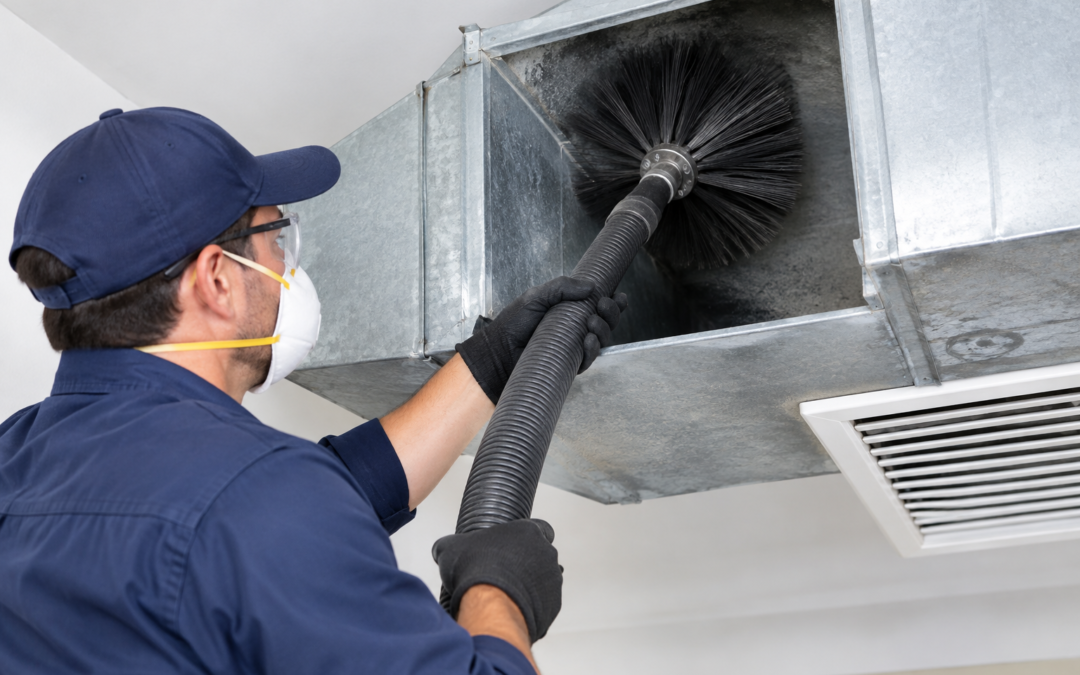
Discovering mice, rats, insects, or other pests in your home can be unsettling. The concern becomes even greater when you suspect they have entered your heating, ventilation, and air conditioning (HVAC) system. Rodents and pests can leave behind droppings, urine, nesting materials, and other debris that may contaminate parts of your home’s ductwork.
So, should you clean your ducts after a rodent or pest problem? In many cases, yes—if rodents or pests have infested the ductwork or left contamination inside the HVAC system. However, cleaning should happen only after the infestation has been addressed and the extent of contamination has been assessed.
Understanding when professional air duct cleaning is appropriate can help you protect your HVAC system, address potential contamination, and reduce the likelihood of recurring problems.
Why Should You Clean Air Ducts After a Rodent or Pest Infestation?
Rodents and some other pests can enter attics, crawl spaces, wall cavities, and openings around HVAC equipment. If they gain access to ductwork, they may leave behind materials that should not remain inside an air distribution system.
Common concerns include:
- Droppings and urine: Rodent waste may contain germs that can pose health risks.
- Nesting materials: Paper, fabric, insulation, and other debris may accumulate in or near duct openings.
- Dead pests and insect remains: Decomposing animals or accumulated insect debris may create unpleasant odors and contamination concerns.
- Damaged ductwork: Rodents can chew certain duct materials, insulation, or nearby components.
- Odors and debris: Contamination may contribute to persistent odors or visible particles near vents.
The U.S. Environmental Protection Agency (EPA) identifies ducts infested with rodents or insects as a condition in which cleaning may be warranted. The Centers for Disease Control and Prevention (CDC) also recommends contacting a professional rodent-control service when rodents have accessed heating and cooling ventilation systems.
The key is to assess the actual problem. A mouse seen in a garage does not automatically mean the ductwork is contaminated, but evidence of activity inside the HVAC system deserves prompt attention.
6 Signs Your Air Ducts May Be Affected by Rodents or Pests
1. Droppings Near Vents or Duct Openings
Small, dark droppings near return vents, accessible duct openings, or HVAC equipment may indicate rodent activity. However, droppings found nearby do not prove that contamination has spread throughout the duct system.
Avoid touching or disturbing suspected rodent waste. Have the area assessed if you suspect it is connected to the HVAC system.
2. Scratching or Scurrying Sounds
Scratching, movement, or scurrying sounds in ceilings, walls, attics, or near ductwork may indicate that rodents are present. These sounds can have other causes, so an inspection is needed to identify the source.
3. Persistent Unusual Odors
A persistent musty, stale, or decomposing odor near vents may warrant investigation, particularly if there are other signs of pests. Odors alone cannot establish that rodents are inside the ducts, and other HVAC or moisture problems may produce similar smells.
4. Nesting Materials or Visible Debris
Shredded paper, insulation, leaves, or other nesting materials near duct openings may indicate pest activity. If debris is visible inside the ductwork, a professional inspection can determine whether cleaning or repairs are needed.
5. Unexplained Duct Damage
Chewed flexible ducts, damaged insulation, gaps, or disconnected duct sections can provide access for pests and allow conditioned air to escape. Damaged components may need repair or replacement rather than cleaning alone.
6. Repeated Pest Activity Near HVAC Equipment
If rodents or insects keep appearing around your furnace, air handler, attic, crawl space, or return vents, investigate how they are entering. Cleaning without addressing entry points and the underlying infestation may allow the problem to recur.
What Should You Do Before Cleaning Air Ducts?
Address the infestation and contamination before arranging routine duct cleaning. This helps ensure that the cleaning service deals with an identified problem rather than treating only its visible symptoms.
Step 1: Contact a Pest Control Professional
Arrange an inspection to identify the pest, determine the extent of the infestation, and establish an appropriate control plan.
Do not assume that removing one mouse or insect resolves the problem. Entry points, nesting areas, and other signs of activity may need attention.
Step 2: Avoid Disturbing Rodent Waste
This step is particularly important if you find mouse or rat droppings, urine, or nesting materials.
The CDC advises against sweeping or vacuuming rodent waste because these activities can send potentially contaminated particles into the air. For ordinary accessible surfaces, follow the CDC’s disinfection and cleanup instructions. For suspected contamination inside HVAC ducts, contact qualified professionals instead of attempting to clean deep ductwork yourself.
Heavy infestations require additional precautions and may need specialist cleanup.
Step 3: Arrange an HVAC Inspection
Have a qualified HVAC or duct-cleaning professional assess accessible ductwork and relevant system components. Ask them to document evidence of contamination and identify any damage that may affect system operation.
The inspection should help determine whether cleaning, repairs, replacement of contaminated materials, or a combination of these measures is appropriate.
Step 4: Repair Entry Points and Damaged Components
Seal appropriate pest entry points and repair damaged ductwork. If rodents have torn or contaminated duct insulation, replacement may be necessary in affected areas.
Do not seal over contaminated materials or assume that cleaning alone will prevent future infestation.
Step 5: Schedule Appropriate Professional Cleaning
Once the infestation is under control and the scope of contamination is understood, arrange cleaning if the inspection indicates that it is needed.
Ask the provider which components will be cleaned, how debris will be contained, and what precautions will be taken to avoid spreading contamination into the living space.
What Does Professional Air Duct Cleaning After a Pest Problem Involve?
The appropriate service depends on the pest, the contamination, and the construction of the HVAC system. It may include:
- Inspecting accessible supply and return ductwork.
- Removing accumulated debris using suitable professional equipment.
- Cleaning affected duct sections and relevant HVAC components within the agreed scope.
- Identifying areas that need repair or replacement.
- Assessing whether contaminated insulation or other porous materials should be removed.
- Checking that access openings are properly closed and ductwork is left in suitable condition.
Not every component can be cleaned using the same method. Flexible ducts, internally insulated ducts, and sheet-metal ducts require appropriate handling.
If duct insulation has become wet or moldy, the EPA notes that it generally cannot be effectively cleaned and may need removal and replacement. Similarly, cleaning should not be treated as a substitute for correcting moisture problems or repairing pest entry points.
Ask for a clear written estimate and an explanation of any recommended additional treatments. Chemical disinfectants or biocides should not be assumed necessary in every situation; any proposed product should be appropriate for its intended use and applied according to its label.
Can Dirty Air Ducts After a Pest Infestation Affect Indoor Air Quality?
Rodent waste and pest debris can create contamination concerns, especially if disturbed. Rodent-borne diseases are one reason the CDC recommends careful handling of droppings, urine, and nesting materials.
However, the presence of a pest somewhere in a house does not automatically mean the home’s air is contaminated. The actual risk depends on the pest, the extent and location of contamination, and how it is handled.
Professional duct cleaning can remove certain accumulated materials from affected components, but it does not guarantee that all indoor pollutants will be eliminated or that health problems will be prevented.
For a safer, more complete solution, combine appropriate cleaning with pest control, repairs, proper filtration, and routine HVAC maintenance. If anyone develops symptoms after a significant rodent exposure, seek medical advice and mention the exposure.
How to Choose an Air Duct Cleaning Company
After a pest problem, choose a provider that understands the difference between routine dust removal and cleaning an HVAC system affected by an infestation.
Before booking, ask:
- Does the company inspect the system before recommending cleaning?
- Can it explain what contamination was found and where?
- Does its service include the affected duct sections and relevant components?
- Will it identify damaged ducts or contaminated insulation that may require replacement?
- What containment methods will be used to prevent debris from spreading?
- Are any additional chemical treatments proposed, and why?
- Will you receive a written estimate and an explanation of the completed work?
Be cautious of companies that promise to eliminate every health risk, guarantee that all odors will disappear, or recommend expensive treatments without explaining the evidence for them.
A reliable provider should communicate clearly, identify the limits of cleaning, and explain when repairs or specialist remediation are needed.
Prevent Future Rodent and Pest Problems in Your HVAC System
Prevention is an important part of long-term HVAC care.
- Seal gaps around suitable exterior penetrations and utility openings.
- Repair damaged ductwork and insulation.
- Keep food waste and other pest attractants under control.
- Maintain appropriate sanitation in attics, garages, and other storage areas.
- Arrange pest control if activity continues.
- Replace HVAC filters according to manufacturer recommendations.
- Have the HVAC system inspected when you notice unusual odors, damage, or recurring pest activity.
These measures help address the conditions that allow pests to enter and may reduce the likelihood of another infestation.
Schedule Air Duct Cleaning After a Rodent or Pest Problem
Finding evidence of rodents or pests in your home can be stressful, but the right sequence of steps can help you resolve the problem: identify and control the infestation, assess any contamination, repair damage, and arrange cleaning when needed.
If pests have entered your ductwork, do not rely on surface cleaning or a new air filter alone. Get the system assessed so you can determine whether professional cleaning, repairs, or replacement of affected materials is appropriate.
America’s Best Air Duct Cleaning is one provider you can explore when researching professional duct-cleaning services. Visit americasbestairductcleaning.com to learn more about the company and check whether its services are available in your area.
If your HVAC system shows signs of pest contamination, take the next step: schedule an air duct cleaning service after the infestation has been addressed and the system has been assessed.
Frequently asked questions (FAQ)
1. Should I clean my air ducts after a mouse infestation?
Yes, if mice have infested the ductwork or left droppings, urine, or nesting materials inside the HVAC system. Have the infestation addressed first, then arrange a professional assessment to determine the appropriate cleaning or repair work. The CDC specifically recommends professional help when rodents have accessed ventilation systems.
2. Can mice in air ducts make you sick?
Rodent urine, droppings, and nesting materials can carry germs that pose health risks. The risk depends on the type and extent of exposure. Avoid disturbing suspected rodent waste, and follow CDC guidance for safe cleanup.
3. Can I vacuum mouse droppings out of my air ducts?
No. Do not vacuum or sweep rodent droppings, urine, or nesting materials yourself. These actions can put contaminated particles into the air. Contact professionals experienced in rodent contamination of HVAC systems.
4. Should I call pest control or an air duct cleaning company first?
Start by addressing the infestation with a qualified pest control professional. Then have the HVAC system assessed and arrange duct cleaning or repairs as needed. Both services may be necessary to resolve the problem properly.
5. Will air duct cleaning remove rodent odors?
Cleaning may help remove odor-causing debris from affected components, but it cannot guarantee complete odor removal. Dead rodents, contaminated insulation, damaged ducts, or hidden nesting areas may require separate removal or repair.
6. Do I need to replace my air ducts after a rodent infestation?
Not always. Some ductwork can be cleaned and repaired. However, severely damaged ducts or contaminated porous insulation may require replacement. The decision depends on the material, extent of damage, and contamination.
7. How can I prevent rodents from entering my air ducts again?
Seal appropriate entry points, repair damaged ductwork, address pest activity, reduce food and nesting opportunities, and maintain the HVAC system. Cleaning without correcting the underlying access problem may allow another infestation.